Dead Trees Are More Than a Cosmetic Problem
Homeowners in Livingston, Short Hills and throughout Essex County tend to focus on their visible, healthy trees. The dead, dying or infested ones can pose major threats to your safety, your home and your wallet.
Over time, a dead tree becomes a high-risk liability. Here is why you should act now, especially given what is happening to ash trees in New Jersey.
Warning Signs of a Dead or Dying Tree
These signs point to internal decay or instability, and both make a tree unpredictable and dangerous. If you notice any of them on your property, it is time for a professional inspection:
- Large dead limbs or bare branches near the top of the tree
- Cracked trunks or peeling bark
- Branches that move excessively in light wind
- Fungal growth or mushrooms at the base
- Leaning trees or exposed roots
Why Dead Trees Cost More Than You Think
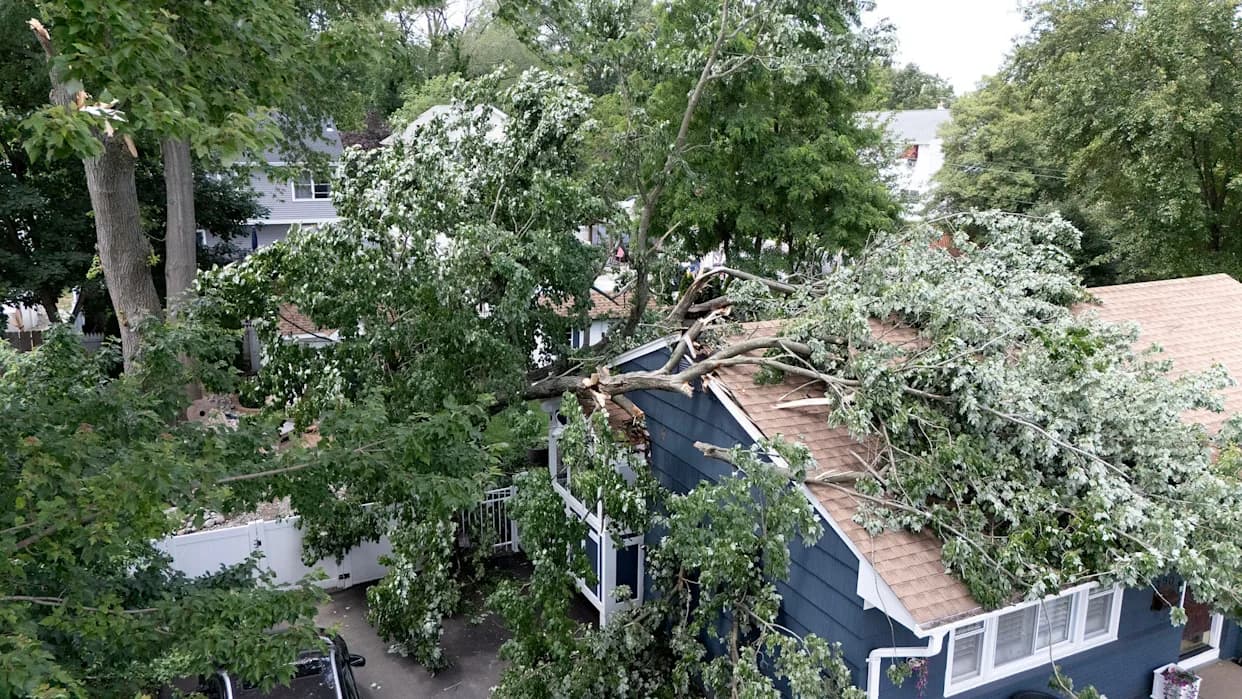
A dead or dying tree gets structurally weaker over time. That weakness leads to falling branches, property damage and even personal injury.
Dealing with a dead tree early can save hundreds, if not thousands, of dollars in repair and removal costs. Waiting means:
- Fallen branches can damage roofing, siding, fences and vehicles
- Your liability increases if a neglected tree damages a neighbor's property
- Removal costs rise once a tree becomes unstable or hard to reach
- Insurance companies may deny claims for hazards that were ignored
The Ash Tree Problem in New Jersey
The emerald ash borer (EAB) has devastated ash trees across New Jersey and created a growing safety concern. According to the NJ Department of Agriculture, more than 24 million ash trees statewide are at risk.
Once an EAB infestation begins, trees typically die within 3 to 4 years and then quickly become brittle and hazardous.
As untreated ash trees across Essex County reach the end of their life, many of them stand near homes, driveways and roads, where they become serious dangers once snow or ice adds weight.
If you have ash trees on your property, especially near your home or power lines, have them inspected or removed before they fail.
When to Remove, Treat or Monitor
A professional assessment tells you which trees can be saved and which need to come down. Every situation is different, but as a general rule:
- Trees with visible decay or bark damage should be removed promptly
- Early EAB infestations may be treatable, but only under close professional supervision
- Dead or heavily infested ash trees should never be left standing through winter storms
Why Local Expertise Matters
Tree safety depends on both biology and local knowledge. With more than 40 years serving Livingston, Short Hills and Essex County, we know the regional soils, common pests and how storms behave here.
That experience helps us spot early warning signs and remove hazardous trees safely and efficiently.
Protect Your Home Before It's Too Late
Dead and dying trees are ticking time bombs, especially ash trees heading into winter. Taking care of them now protects your home, your family and your investment.
Contact us for a free inspection and estimate. If a dead tree has already come down, we offer 24/7 emergency service.
Want a pro to take a look?
Estimates are free. We've served Short Hills and Livingston for over 40 years.
Get a Free Estimate